
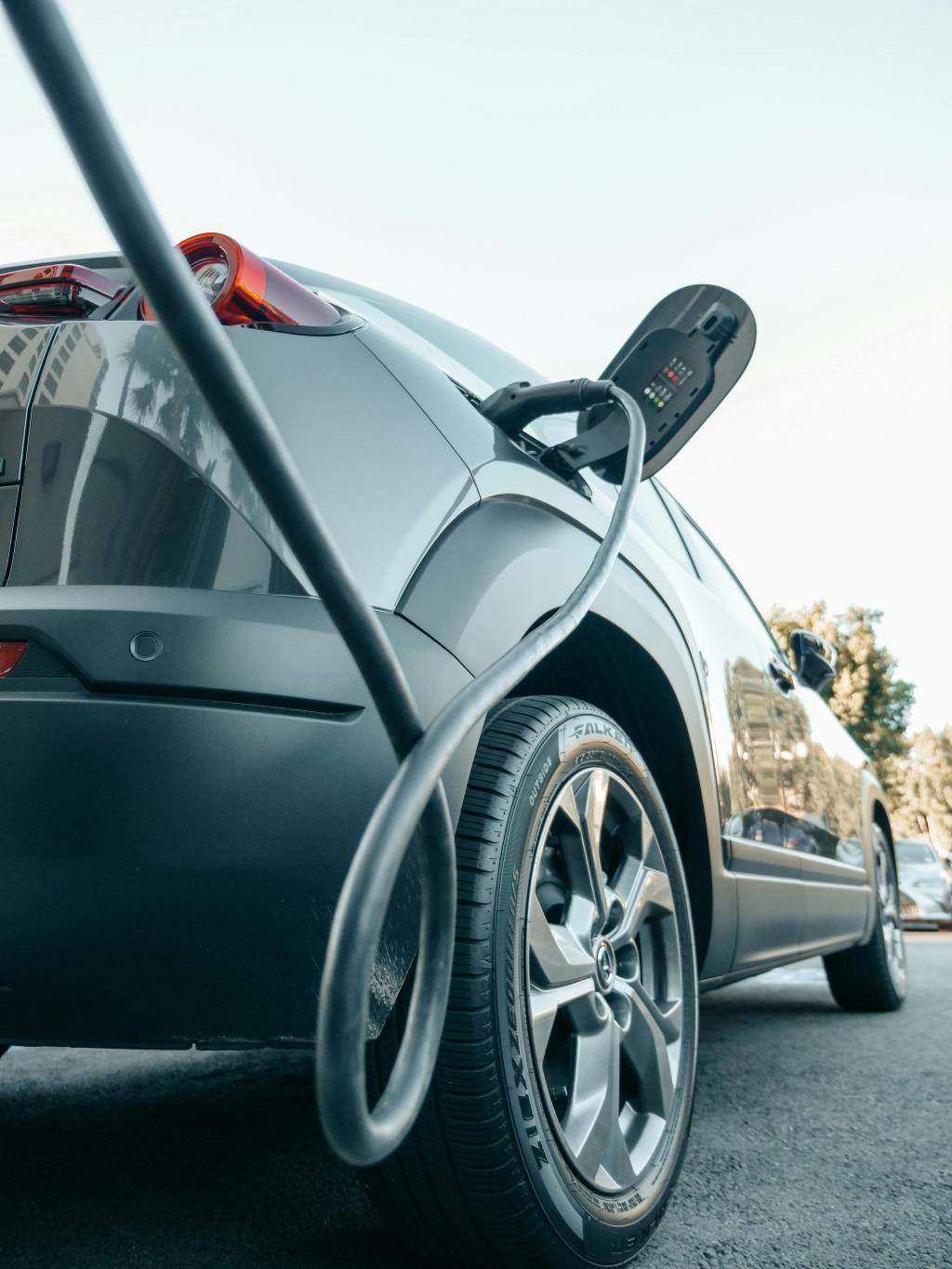
The global shift towards electric vehicles (EVs) is accelerating, and Australia is no exception. As the country grapples with the need for sustainable transportation solutions, the EV market is emerging as a key player in reducing carbon emissions and fostering environmental stewardship. We explored the current state of the Australian EV market, the challenges it faces, and the opportunities it presents.
Current State of the EV Market in Australia
The Australian EV market is on a growth trajectory, albeit slower than some other developed nations. In recent years, there has been a significant increase in the adoption of EVs, driven by rising environmental awareness, government incentives, and advancements in technology. As of 2024, EVs still represent a small fraction of the total vehicle market, but their market share is steadily increasing.
Several major automakers are introducing new EV models in Australia, offering consumers a wider range of options. From compact city cars to luxurious SUVs, the variety of EVs available is expanding, catering to different preferences and needs. Additionally, the development of charging infrastructure is gaining momentum, with more public charging stations being installed across urban and regional areas.
The Australian electric vehicle (EV) market has been experiencing significant growth in 2024, despite some challenges. Sales of EVs have surged, with a remarkable 46.4% increase in the first quarter compared to the same period in 2023, resulting in 25,468 new EV registrations between January and March 2024. This rapid growth indicates a strong shift towards cleaner transportation options across the country.
Leading the market, Tesla remains the dominant player, accounting for just over 50% of all battery-powered vehicle sales in Australia. The Tesla Model Y and Model 3 continue to be the top sellers, with sales of the Model Y increasing by 115% from the first quarter of 2023. However, Tesla’s overall market share has dipped slightly below 50% for the first time, highlighting the rise of new competitors (CarExpert) (EV Central).
BYD, a relative newcomer, has also made significant strides in the Australian market. With 9,548 sales in the first half of 2024, the brand’s Atto 3 model is leading the way, making BYD the 17th best-selling brand in Australia. This growth showcases the increasing diversity and competition within the EV sector (EV Central).
State-by-state adoption of EVs varies, with the Australian Capital Territory (ACT) leading the charge. In the first six months of 2024, 21.7% of all new car sales in the ACT were electric. This is a stark contrast to New South Wales and Queensland, where EVs comprised 8.1% of new car sales, and Victoria, where the figure was 7.5%. These statistics illustrate the growing acceptance and popularity of EVs across different regions in Australia (EV Central).
In summary, the Australian EV market is rapidly expanding, driven by increasing consumer demand, greater model availability, and growing competition among manufacturers. As more Australians embrace electric vehicles, the market is set to continue its upward trajectory.
Government Policies and Incentives
Government policies and incentives play a crucial role in shaping the EV market. In Australia, both federal and state governments have introduced measures to encourage EV adoption.
The Australian government has implemented a range of policies and initiatives to support the growth of the EV market. These measures are designed to reduce the environmental impact of transportation, promote sustainable energy use, and make EVs more accessible to consumers.
Financial Incentives
- Federal Government Incentives: The federal government provides various incentives to encourage EV adoption. For instance, there are tax rebates and reductions in import duties for EVs. This makes EVs more affordable for consumers and helps offset the higher upfront costs compared to traditional internal combustion engine vehicles.
- State Government Incentives: Different states offer additional incentives. For example, New South Wales provides rebates of up to $3,000 for new EV purchases and stamp duty exemptions, while Victoria offers a $3,000 subsidy for new EVs priced below $68,740. Queensland and South Australia have similar incentive programs to reduce the purchase cost of EVs.
Infrastructure Development
The development of EV infrastructure is a critical component of government policy. Significant investments have been made to expand the network of public charging stations across the country.
- Federal Investment: The federal government has committed $74.5 million to the Future Fuels Fund, which aims to improve public charging infrastructure, support fleet conversion, and enable greater EV uptake.
- State Initiatives: Various states are also investing in charging infrastructure. For instance, New South Wales has allocated $171 million to develop the state’s EV charging network. Similarly, Victoria has committed $19 million to its charging infrastructure rollout.
Emission Standards and Targets
The Australian government has introduced stricter vehicle emission standards to reduce greenhouse gas emissions and encourage the adoption of cleaner technologies.
- Emission Reduction Targets: The federal government has set a target to reduce carbon emissions by 26-28% below 2005 levels by 2030. This target aligns with international commitments under the Paris Agreement and necessitates a shift towards cleaner transportation options, including EVs.
- State Emission Goals: States like New South Wales have set ambitious goals to reach net-zero emissions by 2050, with specific plans to transition public transport and government fleets to electric vehicles.
Impact on the Market
These government policies have significantly influenced the EV market in Australia:
- Sales Growth: In the first six months of 2024, a total of 50,918 EVs were sold in Australia, marking a 46.4% increase from the same period in 2023. This growth can be attributed to the financial incentives and expanded charging infrastructure making EVs more attractive to consumers.
- Market Share: EVs now account for around 8% of all new vehicle sales in Australia. In the Australian Capital Territory (ACT), this figure is even higher, with 21.7% of all new car sales being electric, showcasing the effectiveness of local policies and infrastructure investments.
- Brand Success: Tesla remains the dominant EV brand in Australia, with a 45% market share of EV sales in the first half of 2024. However, new entrants like BYD and established automakers like BMW and MG are also gaining traction, benefiting from government incentives and consumer demand for diverse EV options.
Government policies and incentives play a pivotal role in shaping the EV market in Australia. Through financial incentives, infrastructure development, and stringent emission standards, the Australian government is driving the transition towards electric vehicles. These measures are making EVs more accessible, encouraging their adoption, and contributing to a more sustainable future.
Challenges in the Australian EV Market
Despite the promising growth and supportive government policies, the Australian electric vehicle (EV) market faces several significant challenges. These challenges hinder the widespread adoption and expansion of EVs across the country.
Limited Charging Infrastructure
One of the most pressing issues is the insufficient charging infrastructure. While investments are being made, the current network is not extensive enough to alleviate range anxiety among potential EV buyers.
- Number of Charging Stations: As of mid-2024, there are approximately 3,000 public charging stations across Australia. This number is far behind countries like the United States and China, which have tens of thousands of charging points.
- Geographic Disparity: The distribution of these charging stations is uneven, with major cities like Sydney and Melbourne having more robust networks, while regional and remote areas remain underserved. This disparity limits the practicality of EVs for long-distance travel and in less populated regions.
High Upfront Costs
The initial cost of purchasing an EV remains a barrier for many consumers. Although government incentives help reduce the price, EVs are generally more expensive than their internal combustion engine counterparts.
- Price Difference: On average, EVs can be $10,000 to $20,000 more expensive than similar petrol or diesel vehicles. This price gap is significant, especially for budget-conscious consumers.
- Government Subsidies: While subsidies such as the $3,000 rebate in Victoria and New South Wales help, they are not sufficient to close the price gap entirely.
Limited Model Availability
The variety of EV models available in Australia is limited compared to other markets, such as Europe and North America. This restricts consumer choice and can deter potential buyers who are looking for specific types of vehicles.
- Number of Models: As of 2024, there are around 30 different EV models available in the Australian market. In contrast, Europe offers over 200 models, giving consumers a wider range of options.
- Market Entry Delays: New models often take longer to enter the Australian market due to stringent regulatory requirements and the smaller size of the market, which can dissuade manufacturers from prioritizing it.
Policy Inconsistencies
The lack of a unified national policy framework for EVs creates inconsistencies that can confuse consumers and manufacturers.
- State vs. Federal Policies: While states like New South Wales and Victoria have proactive policies and incentives, other states and territories lag behind. This patchwork of policies can create uncertainty and hinder a cohesive national strategy for EV adoption.
- Long-term Commitment: There is also concern about the long-term commitment of the government to supporting EVs, especially with changing political climates. Stable and predictable policies are crucial for building consumer and investor confidence.
Consumer Awareness and Perceptions
Despite growing awareness, misconceptions and lack of knowledge about EVs remain barriers to adoption.
- Range Anxiety: Many consumers are still concerned about the range of EVs, despite improvements in battery technology and increasing range capabilities. This anxiety is compounded by the limited charging infrastructure.
- Education and Awareness: Efforts to educate consumers about the benefits and practicalities of EVs are ongoing but need to be intensified. Many potential buyers are unaware of the total cost of ownership savings that EVs can offer over time.
While the Australian EV market is poised for growth, these challenges need to be addressed to facilitate wider adoption. Improved charging infrastructure, greater model availability, consistent policy support, and increased consumer education are critical to overcoming these barriers and ensuring a sustainable transition to electric mobility in Australia.
At Mexi Consulting, we are committed to helping businesses navigate the complexities of the EV market. Our expert insights and strategic guidance can assist you in capitalizing on the opportunities within this dynamic and rapidly evolving sector. Together, we can contribute to a cleaner, more sustainable future for Australia.
 Mexi Consulting